Key Takeaways
- Understand What “Undervalued” Really Means: An undervalued property isn’t just cheap, it’s priced below its true potential based on market data, location, condition, and future income or appreciation.
- Use Data, Not Gut Feelings: Comparing recent sales, tracking time on market, and researching neighborhood trends are essential for identifying real opportunities and avoiding risky deals.
- Leverage Strategy and Local Expertise: Successful investors rely on strong local relationships, motivated sellers, and targeted improvements to consistently uncover undervalued properties before the broader market does.
If you’re thinking about investing in real estate you should be on the lookout for undervalued deals!
An undervalued real estate deal refers to a property that’s been priced below its true market potential. This doesn’t necessarily mean the property is cheap or in bad shape.
In reality, it means that the asking price doesn’t fully reflect what the home could be worth based on location, condition, future appreciation, or income potential. For real estate investors, these properties represent some of the best opportunities to build equity and
maximize returns more quickly.
Investing in undervalued properties allows investors to create value through strategic improvements, better management, or simply holding the asset until the market corrects itself.
Consistently identifying these opportunities is a skill that separates average investors from highly successful ones. That’s why the experts at Peak Residential, Inc. created this guide to help you spot true undervalued deals with confidence.
Top Tips to Easily Spot Undervalued Properties
Spotting undervalued properties isn’t about luck, it’s about using the right strategies to uncover opportunities others miss.
1. Analyze Comparable Sales
Comparative market analysis is one of the most reliable ways to identify undervalued deals. The key is to find recently sold properties (not just active listings) that are similar in size, age, layout, and location.

If a property is priced noticeably below recent comparable sales without a clear reason, there’s a big chance it has been undervalued.
2. Spot Motivated Sellers
Motivated sellers are one of the most common sources of undervalued properties. These sellers often prioritize speed and certainty over top-dollar pricing. Situations such as job relocation, divorce, probate, foreclosure avoidance, or inheritance can lead sellers to underprice their properties.
To spot motivated sellers, look for key indicators such as long days on market, recent price reductions, or listings with language such as “must sell,” “as-is,” or “priced to move.”
3. Focus on Homes with Cosmetic Issues
One of the easiest ways to uncover undervalued properties is to target homes that need major cosmetic improvements but not major structural repairs.
Outdated kitchens, old flooring, worn paint, and neglected landscaping often reduce buyer demand, even though they are relatively inexpensive to fix. Many buyers overestimate renovation costs or lack the vision to see a property’s true potential.
Property investors who can accurately estimate repair costs and timelines can capitalize on this fear. Cosmetic fixes often deliver the highest return on investment and can dramatically increase property value in a short period.
4. Research Emerging Neighborhoods
Undervalued deals are frequently found in neighborhoods that are improving but not yet fully recognized by the broader market.
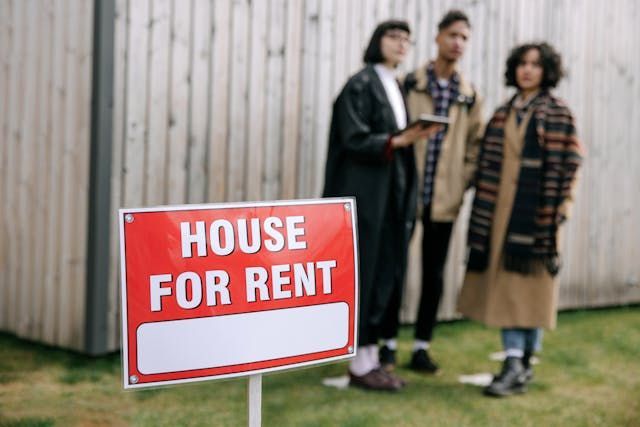
These areas may show early signs of revitalization, such as new business developments, infrastructure upgrades, increased rental demand, or rising home prices nearby.
Keep an eye out for neighborhoods adjacent to already-established areas, especially those benefiting from spillover demand. Investors who enter early can benefit from appreciation as the neighborhood matures.
Monitoring zoning changes, city development plans, and population trends can help identify these emerging markets before
prices rise significantly.
5. Watch for Poorly Marketed Listings
Some undervalued deals exist simply because a property wasn’t marketed effectively. Low-quality photos, minimal descriptions, limited online exposure, or off-market listings can reduce visibility, leaving sellers no choice but to lower their prices to attract buyers.
Willing to dig deeper, by searching expired listings, for-sale-by-owner properties, or direct mail opportunities, can help you uncover deals that others may miss. The less competition a listing receives, the greater the chance of negotiating a more favorable price.
6. Track Time on Market
Properties that have been listed longer than the local average often present negotiation opportunities. Extended time on market can indicate overpricing, poor condition, or seller inflexibility, but it can also signal growing motivation.
When a property remains unsold for a long period, sellers may become more open to price reductions. Savvy investors use time-on-market data to identify sellers who may be willing to lower their prices, increasing the chances of securing undervalued deals.
7. Look for Auctions and Foreclosures
While they carry higher risk, auctions and bank-owned foreclosures can be effective ways to find undervalued real estate deals.

These properties are often priced below market value for a quick sale, creating strong opportunities for prepared investors.
Before purchasing, conduct thorough due diligence by researching the title for liens or unpaid taxes, estimating repair costs conservatively, and understanding the auction or foreclosure process.
If inspections aren’t allowed, assume worst-case scenarios and build in a financial buffer. Also review local laws, redemption periods, and occupancy status, as some properties may include existing tenants.
8. Build Strong Local Relationships
Working with knowledgeable real estate agents, property managers, wholesalers, and contractors can give investors access to undervalued properties before they hit the open market.
These professionals often know about upcoming
property listings, frustrated sellers, or opportunities that aren’t widely advertised.
Moreover, local expertise is especially valuable when assessing neighborhood trends, rental demand, and renovation costs. Strong relationships help investors move quickly and confidently when undervalued deals arise.
Bottom Line
Undervalued real estate deals offer investors the opportunity to build equity, generate stronger returns, and reduce risk by buying below market value.
The best way to find these opportunities is through careful market analysis, strong local relationships, and a clear investment strategy.
That’s why the experts at Peak Residential, Inc. emphasize what signals to watch for and how to evaluate each property properly. By understanding what to look for, you can uncover opportunities others overlook and position yourself for long-term real estate success.