Key Takeaways
- Prevent Costly Issues: Proactive, consistent communication helps prevent misunderstandings that often lead to disputes, delayed maintenance, legal complications, and avoidable vacancies.
- Build Trust Through Transparency: Regular updates, clear reporting, and open communication build confidence among property owners and tenants, leading to stronger relationships and higher retention rates.
- Improve Long-Term Performance: Effective communication supports smoother operations, better maintenance coordination, legal compliance, and overall stability across a rental property portfolio.
Regular and effective communication is one of the most important factors in successful rental property management.
While financial planning, maintenance schedules, and leasing form the operational foundation of a rental property, consistent and transparent communication is what sustains trust, reduces conflict, and supports long-term stability.
Communication is the primary way expectations are set, issues are addressed, and strong relationships are maintained between property owners and tenants.
When communication is unclear or inconsistent, it often leads to misunderstandings, dissatisfaction, and unnecessary financial losses, especially in a competitive and highly regulated rental environment.
In this guide from Peak Residential, Inc. we’ll explain why regular communication is critical to effective property management and how a proactive, structured approach creates accountability, predictability, and confidence for both you and your tenants.
Why Communication is the Backbone of Property Operations
Rental properties are not a one-time transaction but a long-term arrangement. While property owners rely on tenants to fulfill their lease obligations and respect the property, renters expect owners or managers to provide safe, habitable living conditions.
The bridge between these shared responsibilities is communication. When communication is unclear or inconsistent, even minor issues can quickly escalate into larger disputes.
Regular, intentional communication reinforces professionalism, strengthens accountability, and ensures concerns are addressed early, which is why the following sections break down the key operational areas where effective communication has the greatest impact.
Setting Clear Expectations
One of the most essential benefits of communication is the early establishment of expectations and consistently sustaining them.

Clear communication helps in the following:
- Lease Understanding: Tenants need to understand lease agreements concerning maintenance responsibility, lease renewal procedures, rent payment schedules, and property rules.
- Operational Boundaries: Boundaries related to noise policy, repair requests, property access, and use of shared spaces are defined by clear communication. Consistently communicated expectations ensure easier and fairer enforcement.
Improving Tenant Satisfaction and Retention
Tenant satisfaction and retention is closely tied to how informed, respected, and heard residents feel throughout their tenancy. Consistent, transparent communication plays a major role in shaping that experience.
Clear communication helps to:
- Demonstrate Responsiveness to Concerns: Prompt replies to questions, maintenance requests, or complaints signal professionalism and respect. When tenants feel their concerns are taken seriously, they are more likely to renew their lease.
- Provide regular updates: Advance notice about repairs, inspections, or policy changes reduces uncertainty and frustration. Even when changes are unavoidable, proactive communication helps manage expectations and minimize negative reactions.
- Create a sense of stability: Predictability is a key driver of tenant satisfaction, and consistent communication reinforces it. Stable, well-informed tenants are more likely to stay long term, reducing vacancy periods and turnover-related costs.
Preventing Disputes
Many disputes do not stem from the issue itself, but from misunderstandings or poor communication surrounding it. Regular, consistent communication helps prevent conflicts by setting expectations early and keeping all parties aligned.

Effective communication helps to:
- Clarify maintenance responsibilities: Clearly defining what qualifies as an emergency, how repair requests should be submitted, and expected response times helps prevent unrealistic expectations and avoid unnecessary conflicts.
- Document conversations: Written communication through tenant portals, emails, or maintenance systems creates a clear record of interactions. This documentation protects both tenants and property owners if disagreements arise.
- Address issues early: Small concerns can quickly escalate when left unaddressed. Proactive outreach and timely follow-up allow issues to be resolved before they turn into larger, more costly disputes.
Supporting Property Owners Through Transparency
Accurate, timely information enables property owners to make confident, data-driven decisions. Regular communication supports owners by providing visibility into performance, expenses, and market conditions.
- Financial reporting: Routine financial statements, expense summaries, and rent collection updates give owners a clear view of cash flow and overall property performance.
- Maintenance communication: Transparent reporting on repair costs, ongoing issues, and preventive maintenance helps owners budget effectively and protect asset value.
- Market insights: Sharing regulatory updates, rental rate trends, and local market changes allows owners to adapt strategies proactively rather than reactively.
Strengthening Maintenance Management Through Communication
Maintenance is one of the most communication-sensitive aspects of property management. Clear processes reduce delays, costs, and frustration.
- Clear reporting processes: Simple, accessible procedures for submitting maintenance requests encourage early reporting and faster resolution.
- Ongoing status updates: Keeping tenants informed about repair timelines builds trust, even when delays occur.
- Preventive coordination: Advance maintenance notices help avoid access issues and prepare tenants for upcoming work.
Ensuring Legal Compliance and Reducing Risk
Effective communication plays a critical role in meeting legal obligations and minimizing risk.
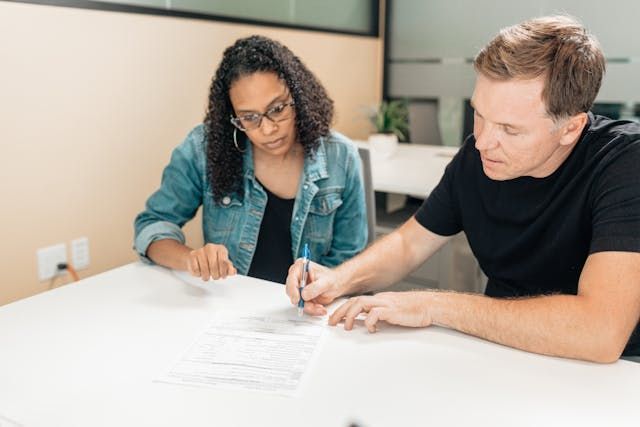
- Required notices: Written communication for entries, rent changes, lease terminations, and policy updates helps ensure compliance with local regulations.
- Policy clarity: Explaining safety, habitability, and compliance policies reduces liability and reinforces accountability.
- Clear language: Consistent, precise communication minimizes misinterpretations that can lead to disputes or legal claims.
The Role of Professional Property Management
Professional property managers serve as the central communication hub between tenants and property owners.
- Structured systems: Standardized processes ensure consistent updates, documentation, and issue resolution.
- Objective mediation: Managers provide neutral, professional communication when conflicts arise.
- Scalable communication: As portfolios grow, structured systems maintain efficiency and consistency.
Using Technology to Improve Communication
Technology has expanded and improved how communication is managed in rental properties.
- Online portals: Digital platforms streamline payments, maintenance requests, and document sharing while maintaining clear records.
- Automated notifications: Scheduled reminders for renewals, inspections, and rent reduce administrative burden and improve compliance.
- Data security: Secure communication tools protect sensitive information and maintain professionalism.
Bottom Line
Regular communication with tenants and property owners is more than an administrative task, it is a strategic necessity.
Clear, consistent, and professional communication protects long-term asset value, improves satisfaction, reduces disputes, and strengthens overall operational efficiency. Its effectiveness can be measured through response times, tenant and owner feedback, and renewal or retention rates.
Whether managed independently or through a professional property management company like Peak Residential, Inc., effective communication remains one of the most powerful tools for building stable, compliant, and successful rental properties.