Key Takeaways
- Catch Problems Early: Small leaks and hidden moisture issues can quickly turn into costly repairs if they aren't addressed promptly.
- Prioritize Preventive Maintenance: Routine checks of the roof, plumbing, drainage, and other vulnerable areas help protect your rental property from water damage.
- Encourage Tenant Communication: Prompt reporting of leaks and maintenance concerns allows problems to be resolved before they become major issues.
- Partner With a Property Manager: Peak Residential, Inc. can help protect your investment through proactive maintenance, regular property oversight, and timely repairs.
When rental property owners think about major threats to profitability, they often focus on vacancies, market conditions, or unexpected repairs. Yet one of the most expensive risks can come from something far less dramatic: water.
A slow leak behind a wall, a clogged drainage system, or a failing appliance hose can cause thousands of dollars in damage before anyone notices a problem. Beyond repair costs, water intrusion can lead to tenant complaints, insurance claims, mold remediation, and extended vacancy periods.
The good news is that many water-related incidents are preventable. By identifying vulnerabilities early and implementing a proactive maintenance strategy, landlords can significantly reduce the likelihood of costly surprises.
Peak Residential, Inc. can also help landlords reduce the risk of water damage through proactive maintenance and timely repairs.
Think Beyond Plumbing Problems
When people hear the phrase "water damage," they often picture a burst pipe. In reality, moisture can enter a property through many different pathways.
Roof failures, poor drainage, aging appliances, foundation cracks, overflowing gutters, sewer backups, and severe weather can all introduce water into a building.
Even condensation from poorly ventilated spaces can create long-term issues if left unaddressed. The most effective prevention plans consider the entire property, not just the plumbing system.
Learn to Spot Problems Early
Water damage rarely begins as a major catastrophe. More often, there are warning signs that appear weeks or even months before
substantial damage occurs.

Discolored ceilings, peeling paint, warped flooring, musty odors, unexplained mold growth, and damp drywall can all indicate hidden moisture. Landlords should also pay attention to unexpected increases in water consumption.
A sudden spike in utility usage may signal an undetected leak somewhere within the property. Addressing small issues early is almost always less expensive than dealing with large-scale restoration later.
Protect the Property From the Top Down
A building's roof serves as its first line of defense against water intrusion. Missing shingles, damaged flashing, worn sealants, and clogged roof drainage systems can allow water to enter areas that are difficult to inspect.
In many cases, roof leaks go unnoticed until water stains, mold, or other visible signs of damage appear inside the property.
Scheduling periodic roof inspections can help identify potential concerns before they result in costly interior repairs. This is particularly important after severe storms, high winds, or heavy snowfall.
Keep Water Moving Away From the Structure
Water becomes problematic when it has nowhere to go. Gutters, downspouts, grading, and drainage systems all play a critical role in directing water away from the building.
When these systems fail, moisture can accumulate near foundations, seep into crawl spaces, or enter lower levels of the property. Property owners should routinely inspect drainage systems and remove debris that may restrict water flow.
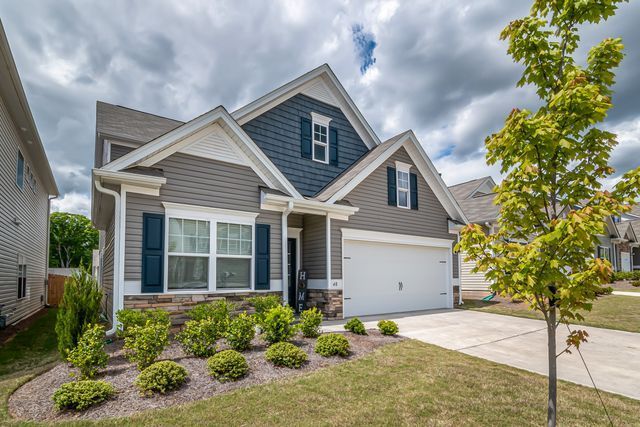
Extending downspouts away from the building and ensuring the surrounding landscape slopes away from the structure can provide an additional layer of protection. Small drainage improvements can often prevent major repair expenses later.
Pay Attention to Aging Components
Many water-related emergencies originate from parts that receive little attention. Supply lines, shut-off valves, water heaters, washing machine hoses, and plumbing connections can deteriorate over time.
While these components may appear functional, age alone can increase the likelihood of failure. Rather than waiting for something to break, landlords should consider replacing aging materials during home maintenance cycles.
Preventive replacements are often far less expensive than emergency repairs and restoration work.
Don't Overlook Basements and Crawl Spaces
Some of the most serious moisture problems begin in areas tenants rarely visit. Basements and crawl spaces are particularly vulnerable because they are often located below grade and can accumulate water during periods of heavy rainfall.
Excess moisture in these areas can contribute to mold growth, wood deterioration, and foundation concerns. Property owners should periodically inspect these spaces for standing water, excessive humidity, or signs of water intrusion.
If the property relies on a sump pump, regular testing is essential to ensure it functions properly when needed.
Make Tenants Part of the Prevention Strategy
Property owners are not the only people responsible for protecting a rental from water damage.
Residents are often the first to notice leaks, unusual odors, dripping fixtures, or moisture buildup. Encouraging tenants to report concerns immediately can prevent minor issues from becoming major repairs.

Move-in orientations and tenant handbooks can also provide useful reminders about proper drain use, grease disposal, and reporting maintenance concerns promptly. The faster a problem is reported, the easier it is usually to resolve.
Use Technology to Your Advantage
Modern technology offers landlords new ways to monitor potential water issues. Leak detection sensors can be installed near water heaters, washing machines, sinks, and other high-risk locations.
Many systems can send alerts directly to owners or property managers when moisture is detected. Some advanced devices can even shut off the water supply automatically if unusual activity is detected.
While these systems require an upfront investment, they may help prevent significantly larger losses in the future.
Schedule Preventive Inspections
One of the most effective tools for reducing water damage is a regular inspection program. Routine inspections allow landlords to identify small leaks, deteriorating materials, drainage issues, and maintenance concerns before they become emergencies.
They also provide opportunities to verify that tenants are reporting issues promptly and maintaining the property appropriately. Consistent oversight can extend the life of building systems while reducing unexpected repair costs.
Small Problems Become Expensive Quickly
Water damage is rarely a single-event expense. A leak can trigger repair costs, mold remediation, temporary vacancies, insurance claims, and resident dissatisfaction all at once.
For that reason, successful property owners focus on prevention rather than reaction. Regular maintenance, timely repairs, tenant communication, and periodic inspections can significantly reduce exposure to one of the most common threats facing rental properties.
Bottom Line
Water damage is one of the most preventable yet costly issues rental property owners face. Staying proactive with routine maintenance, timely repairs, and regular property checks can help protect your investment, reduce unexpected expenses, and keep tenants satisfied.
If you'd like expert support,
Peak Residential, Inc. can help coordinate preventive maintenance and respond quickly to issues before they become major problems. Contact us today to learn how we can help protect your rental property.