Key Takeaways
- When a security deposit doesn’t cover unpaid rent, Sacramento landlords should follow a clear process, starting with reviewing the lease, calculating the balance accurately, and documenting every step.
- Proactive actions like sending a formal demand letter, negotiating payment plans, reporting debt, or using small claims court can significantly improve the chances of recovering unpaid rent while staying legally compliant.
- Partnering with a knowledgeable local property management company like Peak Residential helps landlords navigate unpaid rent situations efficiently, reduce stress, and protect long-term investment returns.
Ever found yourself staring at an empty rental unit, wondering how you’ll cover the unpaid rent when the security deposit falls short? It’s a frustrating scenario that even the most experienced landlords in Sacramento face. But don’t worry, you’re not alone, and there are smart, effective ways to handle this.
At
Peak Residential, we understand the unique challenges Sacramento property owners encounter. This guide will walk you through practical steps to protect your income, enforce your rights, and minimize losses when the deposit just isn’t enough. Let’s make sure you’re prepared for the unexpected.
Steps to Take When the Security Deposit Falls Short of Unpaid Rent
Facing unpaid rent after a tenant leaves can be stressful. Here’s a clear, step-by-step guide to help you recover what’s owed and protect your investment as a Sacramento landlord:
1. Review Your Lease Agreement Thoroughly
Your lease is your first line of defense when a tenant leaves unpaid rent behind. It outlines your rights, the tenant’s obligations, and how the security deposit can be applied. In Sacramento, understanding your lease terms is especially important because local laws can affect how you handle unpaid rent.
A well-drafted lease helps you avoid legal pitfalls and ensures you’re following state
regulations. Always check for clauses about unpaid rent, late fees, and deposit deductions to stay protected.
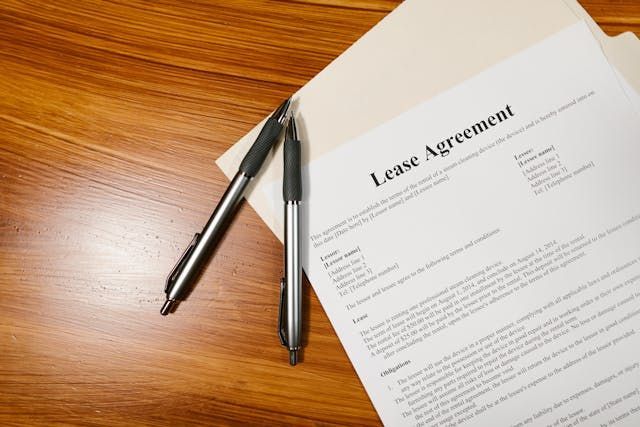
To review your lease effectively, start by highlighting sections related to rent payments, security deposit use, and termination conditions. Cross-reference these with local laws. If something seems unclear, consider consulting an attorney for clarification. Keeping a signed copy of the lease handy makes it easier to enforce your terms if issues arise later.
2. Calculate the Remaining Balance
Once you’ve accounted for the security deposit, you need to figure out exactly how much the tenant still owes. This step is crucial because it sets the foundation for your next actions, whether it’s negotiating a payment plan or pursuing legal action. Being precise ensures transparency and helps you avoid disputes down the line.
Start by listing all unpaid rent, including prorated amounts if the tenant moved out early. Next, add any agreed-upon late fees or penalties. Finally, deduct allowable repair costs from the deposit. Keep detailed records, including receipts and invoices, to support your calculations. This documentation will be essential if you need to take further steps to recover the balance.
3. Send a Formal Demand Letter
A demand letter is a polite yet firm way to remind the tenant of their outstanding balance. It serves as a formal record that you’ve tried to resolve the issue before escalating matters. In Sacramento, this step is often required before pursuing legal action. The letter shows you’re serious about collecting what’s owed while giving the tenant a chance to respond.
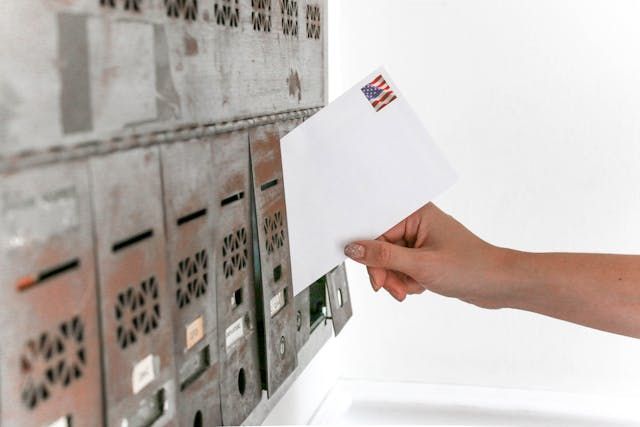
To draft an effective demand letter, include the tenant’s name, address, and the exact amount owed. Break down the charges clearly, referencing your lease and any relevant laws. Set a reasonable deadline for payment and mention consequences like credit reporting or legal action if ignored. Send the letter via certified mail to prove delivery and keep a copy for your records.
4. Attempt to Negotiate a Payment Plan
Sometimes, tenants genuinely can’t pay the full amount at once. Offering a payment plan can help you recover more of what’s owed while maintaining a positive relationship. Sacramento landlords often find that flexibility leads to better outcomes than strict enforcement. A structured payment plan shows goodwill and increases the chances of full repayment over time.
Start by assessing the tenant’s financial situation to determine a realistic payment schedule. Propose smaller, manageable installments with clear due dates. Put the agreement in writing, outlining each payment and the consequences of missing one. Regular follow-ups ensure compliance and keep the process smooth for both parties.
5. Report the Debt to Credit Bureaus
If the tenant ignores your demand and payment plan, reporting the debt to credit bureaus can be an effective deterrent. A negative mark on their credit report encourages many tenants to settle their debts quickly. Sacramento landlords can use this tool to protect their financial interests while staying within legal boundaries. It’s a non-confrontational way to apply pressure.

To report the debt, work with a reputable credit reporting agency that specializes in tenant collections. Provide all documentation and ensure the information is accurate to avoid legal issues. This step not only helps recover unpaid rent but also warns future landlords about potential risks.
6. Consider Small Claims Court
When a tenant still refuses to pay the remaining balance after your demand letter and payment plan, small claims court can be your next logical step. In Sacramento, this is a practical and cost-effective way to recover unpaid rent and damages without hiring a pricey attorney. The court system is designed to handle landlord-tenant disputes efficiently, ensuring you get your fair share without excessive legal fees.
To file a small claims case in Sacramento, start by visiting the local courthouse or their website to get the necessary forms. Fill them out accurately and provide copies of all supporting documents. Once filed, you’ll need to notify the tenant and attend the hearing. Be prepared to present your case clearly and calmly to the judge, focusing on facts and documentation.
7. Consult a Landlord Attorney
Sometimes, legal issues can get complicated, especially if the tenant disputes your claims or raises counterarguments. In Sacramento, consulting a landlord attorney can provide clarity and ensure you’re on solid legal ground. An attorney can review your case, advise on the best course of action, and even represent you in court if needed.

Schedule a consultation with an attorney to discuss your case and ask about their experience with similar situations. Be sure to bring all your documentation, including the lease, demand letter, and any communication with the tenant. A good attorney will help you navigate the process while protecting your rights as a property owner.
8. Learn from the Experience
After resolving the unpaid rent issue, take a moment to reflect on what happened and how you can prevent future problems. Learning from past experiences is key to protecting your investment and avoiding repeat issues. This step helps you refine your tenant screening process, adjust lease terms, and improve overall property management.
Start by reviewing your tenant screening criteria, consider requiring higher credit scores or additional references if needed. Update your lease to include stronger clauses about unpaid rent and security deposits. Keep detailed records of each incident to identify patterns and make informed decisions moving forward. By staying proactive, you’ll build a more stable and profitable rental business.
Bottom Line
When a deposit falls short, you shouldn’t have to chase unpaid rent alone. Let Peak Residential help you protect your investment with smart, stress-free solutions. We specialize in Sacramento’s rental market and can guide you through every step, from lease enforcement to legal recovery.
Contact
Peak Residential today to discuss options tailored to your needs and ensure you’re always covered. Your peace of mind is our priority.