Key Takeaways
- Screen Residents Carefully: Implement a thorough resident screening process to help identify applicants with a track record of caring for rental properties and meeting lease obligations.
- Document Property Condition: Use detailed move-in documentation, including photos and signed inspection reports, to establish a clear record of the property's condition.
- Establish Expectations Early: Set expectations early by clearly outlining property care responsibilities, maintenance procedures, and lease requirements.
- Inspect Properties Regularly: Schedule routine property inspections to identify maintenance concerns and potential damage before they become more costly issues.
- Invest In Durable Upgrades: Invest in durable, low-maintenance materials that can better withstand everyday wear and reduce long-term repair expenses.
Protecting your rental property is an important part of preserving its long-term value and profitability. While some maintenance issues are inevitable as a property ages, damage caused by resident neglect, misuse, or intentional actions can lead to costly repairs, extended vacancies, and lost
rental income.
Property owners who take a proactive approach can significantly reduce the risk of resident-caused damage and avoid many unexpected expenses.
From thorough resident screening to regular property evaluations and clear lease expectations, there are several effective ways to safeguard your investment.
In this guide from
Peak Residential, Inc., we'll explore seven practical strategies to help minimize resident-caused damage and keep your rental property in good condition.
1. Screen Tenants Thoroughly
One of the most effective ways to reduce the risk of property damage is to place qualified residents who have a history of meeting their rental obligations and caring for the homes they occupy.
While no screening process can eliminate risk entirely, a thorough evaluation can help identify applicants who are more likely to be responsible residents.
A comprehensive screening process typically includes verifying employment and income, reviewing credit history, checking rental references, and evaluating past rental performance.
Speaking with previous landlords can also provide valuable insight into how an applicant maintained their residence and whether they followed lease terms.
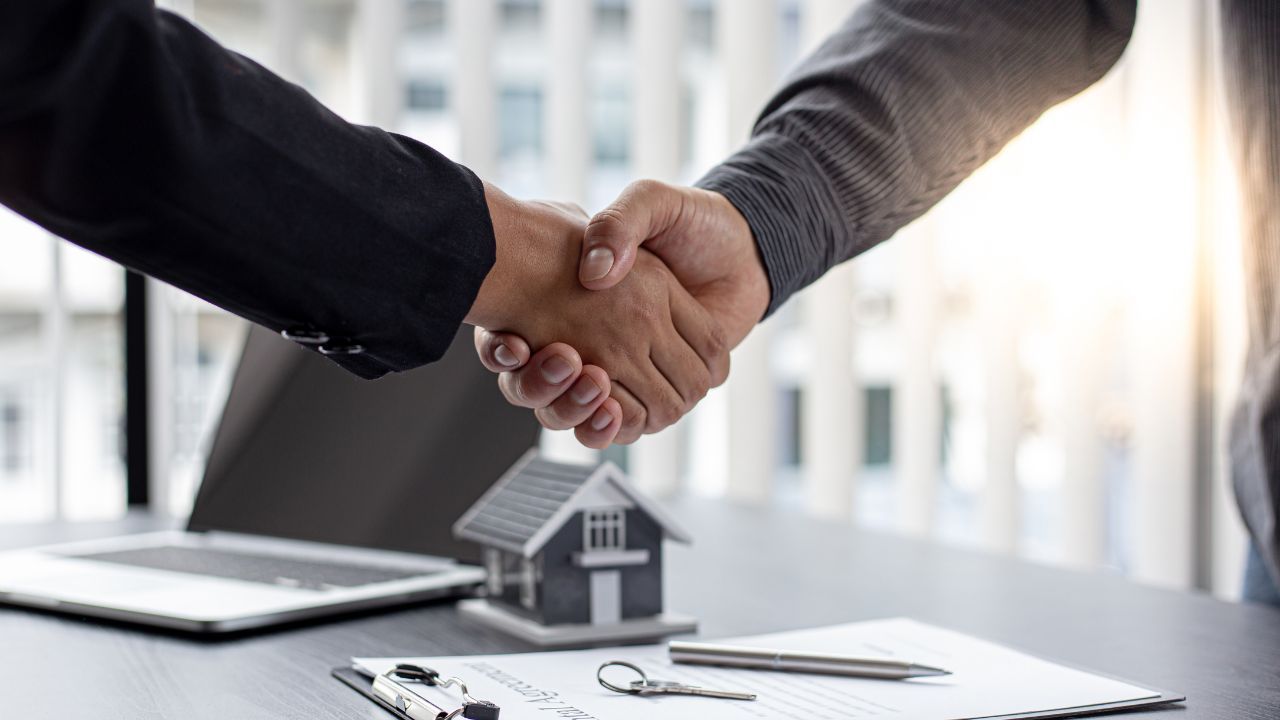
By taking the time to carefully screen applicants before move-in, property owners can help protect their investment and reduce the likelihood of costly resident-caused damage.
2. Charge a Reasonable Security Deposit
A security deposit can help protect property owners from the financial impact of resident-caused damage beyond normal wear and tear. In addition to providing funds for necessary repairs, a security deposit encourages residents to take better care of the property throughout their tenancy.
To make the most of this protection, collect the security deposit before move-in and clearly outline the conditions for deductions and refunds in the lease agreement.
It's also important to document the property's condition at move-in and ensure that all security deposit practices comply with applicable state and local laws. Establishing clear expectations from the beginning can help reduce disputes and encourage responsible property care.
3. Perform a Detailed Move-In Inspection
Before handing over the keys, document the condition of the property. This is done by walking through the unit with the tenant and taking detailed notes of its features, with timestamped photos and videos of every scratch and bump.
The move-in inspection report provides a baseline of the home’s condition at the beginning of the occupancy. Tenants must sign this document to show they agree with your account of the physical condition of the property at the time they moved in.
To determine if a tenant has damaged your property, a move-out inspection must be done at the end of their tenancy and the results compared to the move-in inspection report.
4. Set Clear Expectations Early
Clear communication at the beginning of a tenancy can help prevent misunderstandings that may lead to property damage later. Residents are more likely to care for a rental property when they understand their responsibilities and the standards expected of them.

A well-written lease agreement should clearly outline maintenance responsibilities, property care requirements, and procedures for reporting repair issues.
It should also address policies regarding unauthorized alterations, repairs, and improvements to the property. Encouraging residents to report maintenance concerns promptly can help prevent small issues from becoming larger and more expensive problems.
By establishing expectations from the start, property owners can promote better property care and reduce the risk of avoidable damage.
5. Conduct Routine Property Inspections
Regular property inspections can help owners identify maintenance concerns before they become costly repairs while also ensuring the property is being cared for appropriately.
Routine visits provide an opportunity to check for lease compliance, address maintenance issues early, and monitor the overall condition of the home.
Inspection schedules should be communicated clearly in the lease agreement, and property owners should provide any notice required by state and local laws before entering the property.
During inspections, owners can identify potential problems such as water leaks, unauthorized alterations, or deferred maintenance that could lead to more significant damage over time.
These visits also create opportunities to remind residents of their maintenance responsibilities and encourage prompt reporting of repair issues. A proactive inspection program can play an important role in protecting the long-term condition of a rental property.
6. Require Renters Insurance Coverage
Requiring renters insurance can help protect both your rental property and your residents. These policies often provide coverage for a resident's personal belongings and may help cover liability costs if they accidentally cause damage to the property, such as a kitchen fire, water leak, or other covered incident.
Including a renters insurance requirement in your lease can also encourage residents to take greater responsibility for the property.

To ensure compliance, require proof of an active policy before move-in and request updated documentation at renewal or as needed throughout the lease term. Be sure to review local laws and lease requirements to determine how renters insurance should be implemented for your rental property.
7. Reduce Repairs with Durable Building Materials
Choosing durable, low-maintenance materials can help reduce repair costs and keep your rental property in better condition over time.
While higher-quality materials often require a larger upfront investment, they typically last longer, withstand everyday wear and tear more effectively, and can lower rental maintenance expenses between residents.
For example, luxury vinyl plank flooring and other durable hard-surface options often hold up better than carpet in high-traffic areas. Similarly, washable paint with a satin or eggshell finish can make it easier to clean scuffs and marks without frequent repainting.
Investing in materials designed for long-term performance can help minimize upkeep, reduce turnover-related expenses, and improve the overall appeal of your rental property.
Final Thoughts
Preventing resident-caused damage requires a proactive approach. While no single strategy can eliminate the risk entirely, combining thorough resident screening, clear expectations, renters insurance requirements, routine property inspections, and durable property upgrades can help protect your investment and reduce costly repairs.
If managing these responsibilities feels overwhelming,
Peak Residential, Inc. can help. Our team provides comprehensive property management services designed to protect your rental property and simplify ownership.
Frequently Asked Questions
How Can Owners Distinguish Between Normal Wear And Tear And Property Damage?
Normal wear and tear refers to the gradual deterioration that occurs through everyday use, such as minor carpet wear or faded paint. Property damage, on the other hand, typically results from negligence, misuse, accidents, or unauthorized alterations.
Maintaining detailed move-in and move-out documentation can help property owners assess a property's condition and determine whether repairs are due to normal aging or resident-caused damage.
What Types Of Property Damage Are Most Common In Rental Homes?
Some of the most common forms of rental property damage include wall damage from unauthorized mounting or alterations, flooring damage, neglected plumbing leaks, appliance misuse, and damage caused by pets when permitted under the lease.
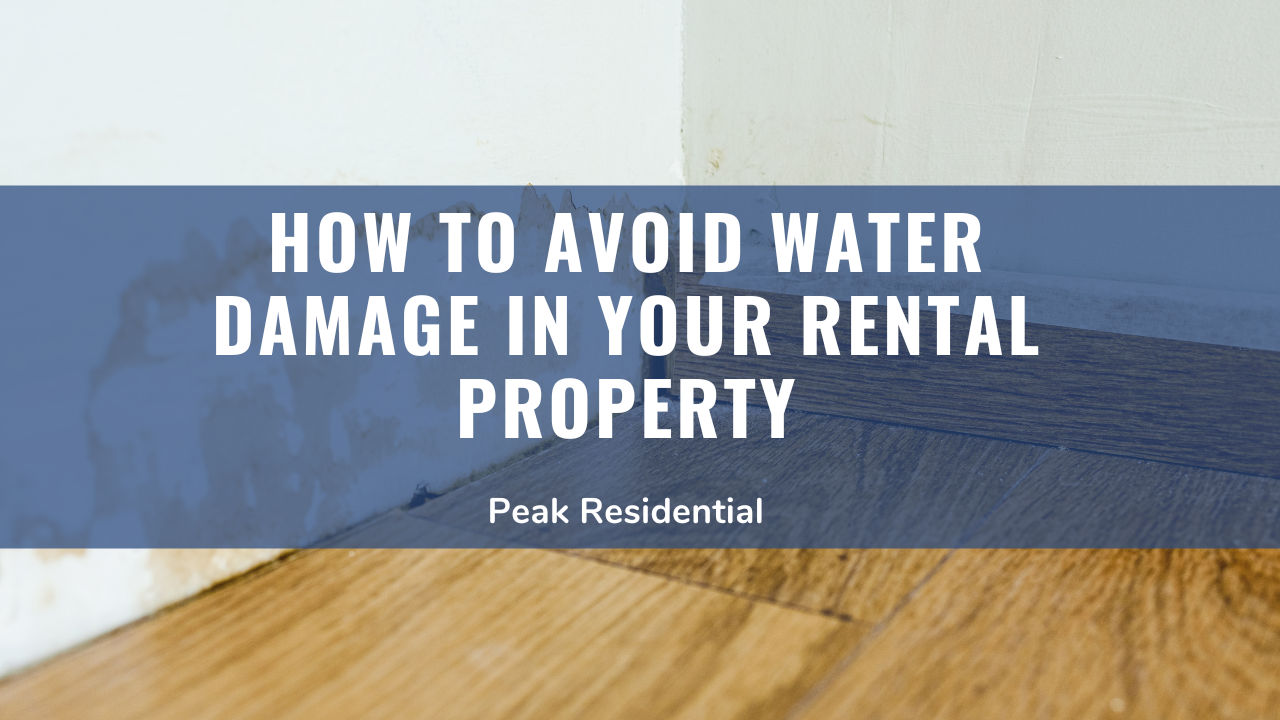
Water-related issues are often among the most costly because they can affect flooring, drywall, cabinetry, and other building components if not addressed quickly.
What Should Owners Do If They Discover Significant Property Damage?
When significant property damage is discovered, owners should document the issue with photos, videos, and written notes before arranging repairs. Prompt action can help prevent further damage and protect the property.
Owners should also review the lease agreement and relevant inspection records and, when necessary, consult insurance providers, legal professionals, or a property management company to determine appropriate next steps.
When Should Owners Address Minor Maintenance Issues?
Minor maintenance concerns should generally be addressed as soon as possible. Small issues such as slow leaks, loose fixtures, or damaged caulking can become more expensive repairs if left unresolved.
Proactive maintenance helps preserve the property's condition and may reduce the risk of additional damage. Establishing a system for tracking and responding to maintenance issues can help owners protect their investment over the long term.
Can Professional Property Management Help Reduce Resident-Caused Damage?
Professional property management companies like Peak Residential, Inc. can assist with many of the processes that help protect rental properties, including resident screening, lease administration, move-in documentation, routine inspections, maintenance coordination, and resident communication.
Having established procedures in place can help owners maintain consistency and identify potential concerns earlier.