Key Takeaways
- A true emergency threatens safety, health or the building within hours and fire, flooding, a gas smell, no heat and an entry door that won't lock all qualify.
- Failed air conditioning is the biggest after-hours category in Sacramento from June through September, although California's habitability statute names heating and not cooling.
- A landlord may enter without notice only in a real emergency, and every other entry needs advance written notice.
- Owners should have a spending limit and a single reporting channel set in writing before the first midnight call arrives.
A tenant texts at 11 P.M. that water is dripping through the kitchen ceiling. Is that an emergency maintenance call or does it wait for morning?
Peak Residential has managed Sacramento rentals since 1982, and this sorting question comes up every week. Owners who answer differently each time pay twice: once in repair bills and once in tenant goodwill.
Below, we define what counts as an emergency, show how Sacramento's weather and housing change the list and explain how after-hours maintenance should be reported and handled. Response times get their own section, because the law is vaguer than most owners expect.
What Counts as an Emergency Maintenance Call
Ask one question: will someone be hurt or the building be seriously damaged before the next business morning? If yes, it's an emergency. If waiting changes nothing, it isn't.
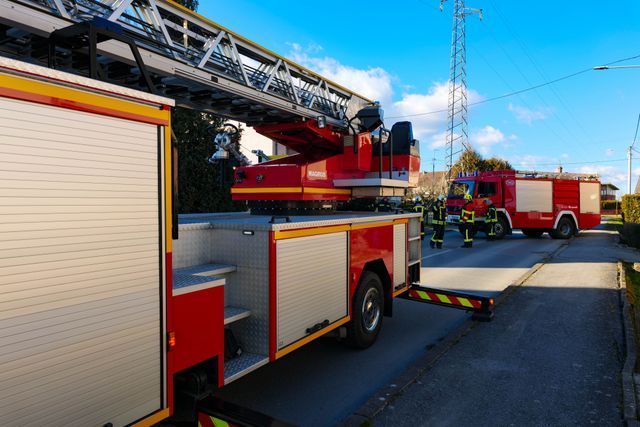
Here’s a breakdown of what counts as an emergency maintenance issue versus what can wait for regular operational hours:
True Emergencies
These issues belong on the emergency list:
- Fire or smoke and sparks from an outlet or electrical panel; tenants should evacuate and call 911 first.
- A gas smell; tenants should evacuate and call 911 and PG&E first.
- An active flood or a burst supply line.
- Sewage backing up into sinks, tubs or floor drains.
- No heat during cold weather.
- No water at all.
- A door or window that can't be locked after a break-in.
- A roof leak coming through the ceiling during a storm.
Lives and safety come first. Tenants should call 911 first, then the manager.
Urgent Repairs That Can Wait for Business Hours
Urgent repairs matter, but a vendor at 2 A.M. rarely helps. A dead refrigerator, one clogged toilet in a home with two or a failed dishwasher can usually wait for morning. Hot water is on the state habitability list in Civil Code 1941.1, so book that repair the same day.
Air conditioning isn't named in that statute and your lease may say more. Still, a dead unit during a multi-day Sacramento heat wave can become a health risk fast and we'd treat it as urgent.
Routine Maintenance
Dripping faucets, running toilets, slow drains, burned-out bulbs and sticking doors are
routine issues. They go through the tenant portal during business hours. Our Resident Handbook and troubleshooting video library cover breakers, resets and filters, which prevents avoidable calls.
How Sacramento Housing and Weather Change the List
Older housing in neighborhoods like Oak Park and East Sacramento can carry aging supply lines and original wiring, so a small leak or a tripping breaker deserves faster attention there. Mature trees around mid-century homes in Carmichael and Citrus Heights can make roots a common cause of sewer backups.

Climate risks such as heat drive summer calls. Quarterly air filter delivery for central-AC homes is a low-cost way to head off a July failure. Winter storms bring roof, gutter and drainage calls. In Natomas, the Pocket and West Sacramento, ask your insurance agent about flood coverage. In foothill markets like Auburn, Cameron Park, Shingle Springs and El Dorado Hills, late-summer wildfire smoke raises air filtration questions.
How After-Hours Maintenance Should Be Reported
Both tenants and owners should follow a predetermined plan for handling after-hours maintenance reporting.
What Tenants Should Do
Use the emergency line, not email or text. Give the address, what's happening and whether anything is shut off. If it's safe, shut the water main or
the breaker and take photos. Calling the owner directly slows everything down, because the owner can't dispatch a vendor at midnight. Our 24/7 maintenance call service and vendor coordination exist for that reason.
What Owners Should Do
Let the manager take the call. Agree in writing on a dollar limit the manager can spend without reaching you. Stopping the damage comes first. The permanent fix can wait for quotes. Ask any manager whether vendor invoices are marked up. We don't mark them up and owner statements include the vendor invoices so you can see what each call cost.
Response Times Tenants and Owners Can Expect
No California statute sets a number of hours for emergency repairs. Civil Code 1941.1 sets habitability standards and Civil Code 1942 treats 30 days as presumptively reasonable for ordinary repairs. An emergency is measured in hours, so the working standard is what's reasonable for the problem. This is general education, not legal advice, and we aren't attorneys.

Because the law gives no number, your agreement should. Ask for written targets covering how fast an emergency call is answered and how fast a vendor is dispatched. A workable standard is a prompt answer or callback for the tenant and same-night notice to the owner for fire, flood or major loss, followed by a written summary the next business day.
Bottom Line
Emergency maintenance goes well when the rules are set before a pipe bursts. A short list of true emergencies, one reporting channel, a spending limit and written response targets turn a midnight scramble into a routine call. Sacramento's older homes, summer heat, and
California’s climate risks make that groundwork worth doing early.
Peak Residential has handled these calls for owners across Greater Sacramento since 1982. To see how
our services would work for your property, request a free rental market analysis or call 916-988-5357. There's no long-term contract, you can cancel with 30 days' notice and we charge no management fee until the property is rented.
Frequently Asked Questions
Can a Tenant Withhold Rent Over an Emergency Repair?
Tenants shouldn't simply stop paying, but owners shouldn't assume a tenant has no remedy. California's
repair-and-deduct rule lets a tenant who gave notice and allowed a reasonable timeframe make the repair and deduct the cost, up to one month's rent, no more than twice in 12 months. An owner who receives a withholding dispute should consult a California landlord-tenant attorney.
Who Pays When a Tenant Causes the Emergency?
Usually the tenant, when damage goes beyond normal wear and tear. A flooded bathroom from a toilet stuffed with wipes differs from a supply line that failed with age. Our vendors are trained to tell wear and tear from tenant-caused damage and charge accordingly. Owners may deduct from the security deposit for damage beyond ordinary wear but California requires an itemized statement of those deductions.
Can a Landlord Enter a Rental Without Notice During an Emergency?
Yes. Civil Code 1954 permits entry without notice in an emergency, such as active flooding or fire. For anything else, the landlord generally must give written notice and 24 hours is presumed reasonable. Leave entry to your manager and keep a record of when and why anyone went in. Entering to shut off a running water line when the tenant can't be reached is the classic example.
Should Owners Approve Every Emergency Repair First?
No. Waiting for approval at midnight lets damage spread. Give your manager authority up to a dollar limit you choose and put in writing so a vendor can stop the damage right away. Above that limit, the manager should call you with the problem, the vendor's recommendation and a quote. Permanent work, such as replacing a failed water heater or a section of drain line, can follow once you've seen your options.
What Should an Owner Do After an Emergency Is Fixed?
Review the vendor invoice and photos and ask what caused the failure. A burst line in a 1950s home may point to more aging pipe worth inspecting. Contact your insurer promptly if damage may be covered, since policies often have notice requirements. Keep every record together for tax time. Our owner statements include vendor invoices and our periodic inspection reports use photos, which makes follow-up easier to document.